
High School (Years 7 – 10)
Education is a living, transformative journey. We guide young people with openness and intention, fostering confidence, agency and optimism through meaningful successes. Grounded in a holistic view of learning, we support students to understand themselves, their community and the world—so they may thrive in balance and purpose.
Connection and Technology
Adolescence is a time of growing independence, deepening friendships and developing a sense of self. We actively support students to build healthy, respectful relationships and to navigate social dynamics with empathy and confidence. Wellbeing is woven through daily school life, with a strong focus on emotional literacy, resilience and belonging.
Our school is a mobile-free environment. Personal devices are collected at the beginning of the day and returned at the end, creating space for students to be fully present with one another and their learning. Students may bring their own laptop, which is used intentionally in class once per week. By limiting technology in the classroom, we support focus, engagement and meaningful human connection, while also guiding students to develop a balanced and thoughtful relationship with digital media.
A Tailored Education
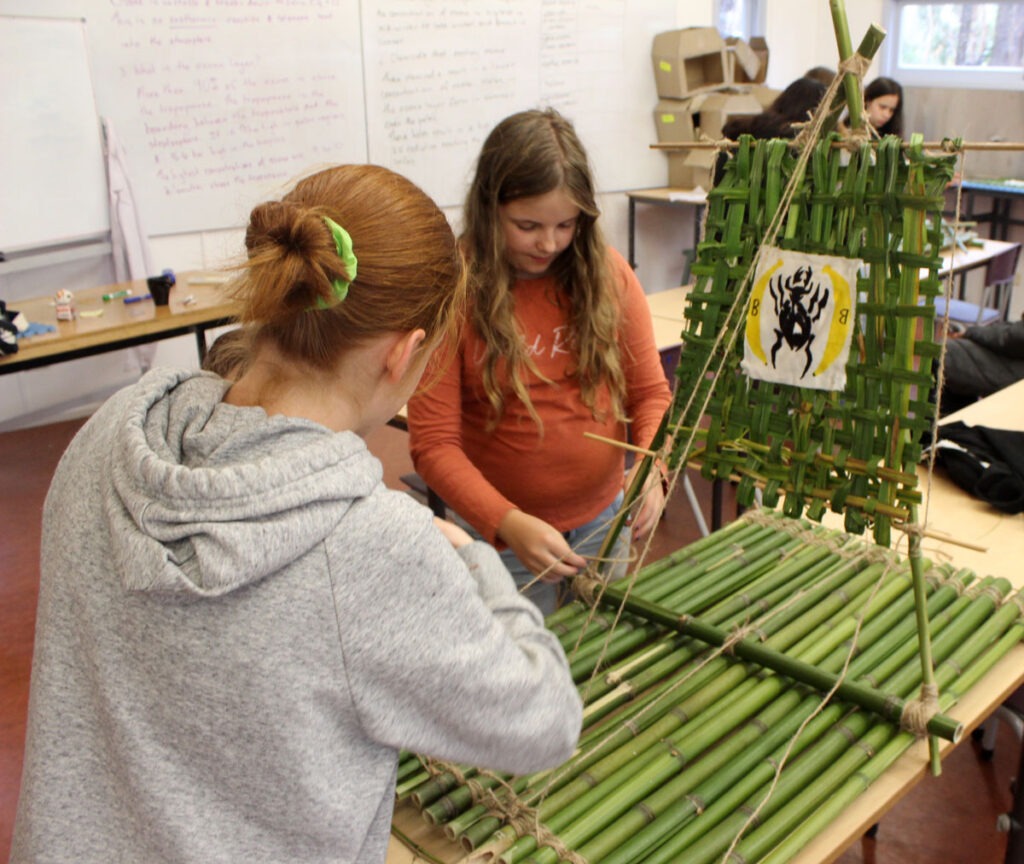
Our high school program honours the individuality of each young person. Guided by Steiner education principles, learning is developmentally appropriate, intellectually rigorous and deeply human. We balance academic challenge with artistic, practical and social learning, supporting students to think independently, engage meaningfully with the world and develop a strong sense of purpose. Through this holistic approach, students are met where they are and gently guided toward who they are becoming.
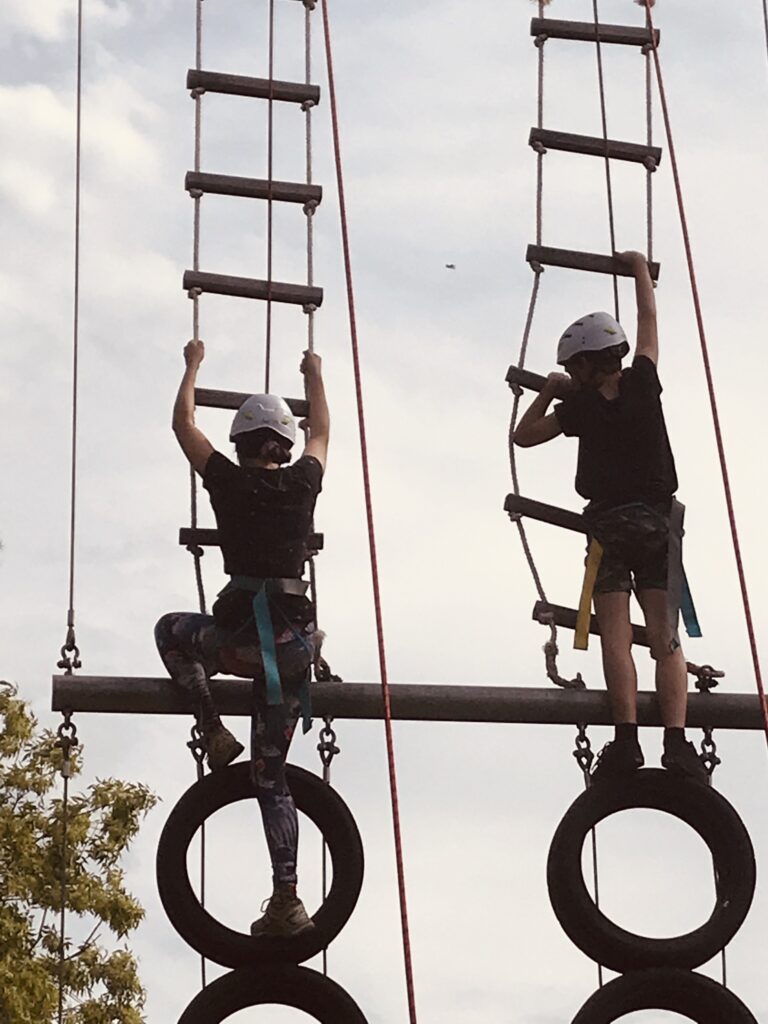
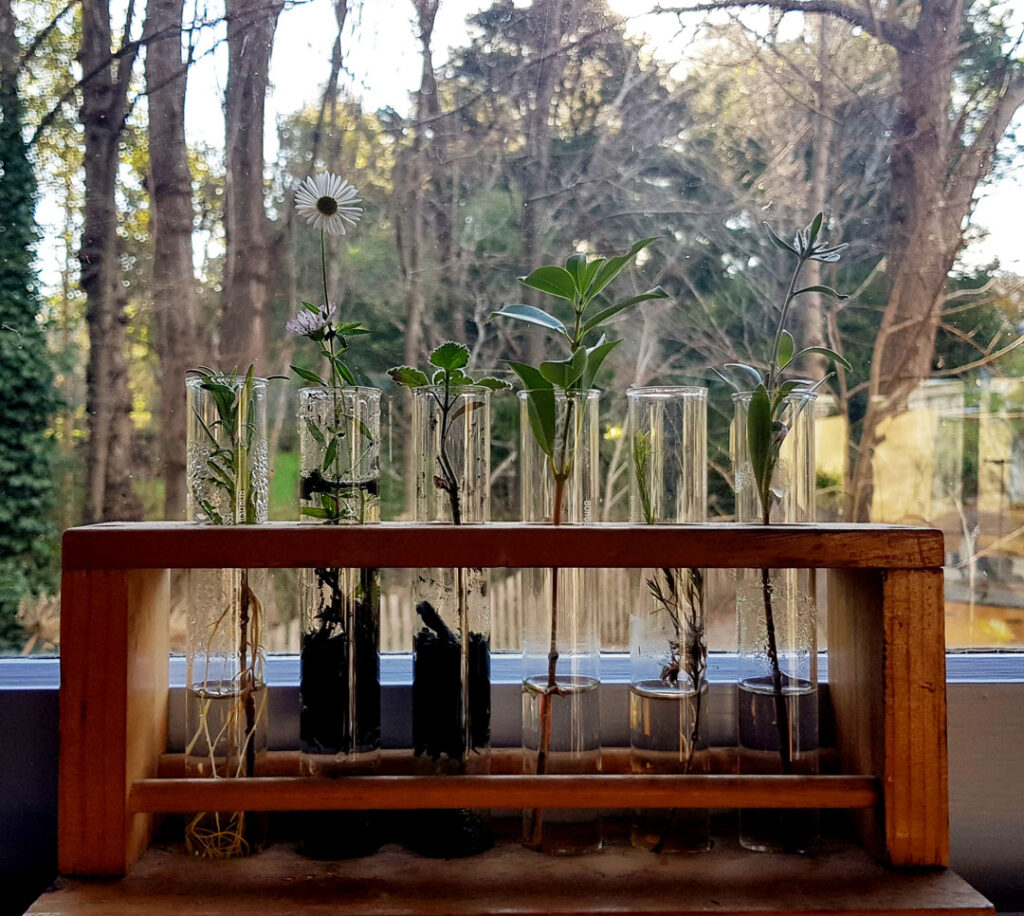
Curriculum Years 7 and 8
In Years 7 – 8, Steiner education supports students as they move into early adolescence, a time of growing independence, questioning and social awareness. Through an integrated academic, artistic and practical curriculum, students build confidence, empathy and independent thinking, developing a strong sense of self and responsibility in the world. The annual class play is a cornerstone of the Steiner high school experience, bringing students together in a shared artistic and social endeavour. Rudolf Steiner indicated this work as essential in early adolescence, supporting confidence, empathy, collaboration and a growing sense of individual and collective responsibility.
Developmentally Aligned Main Lessons
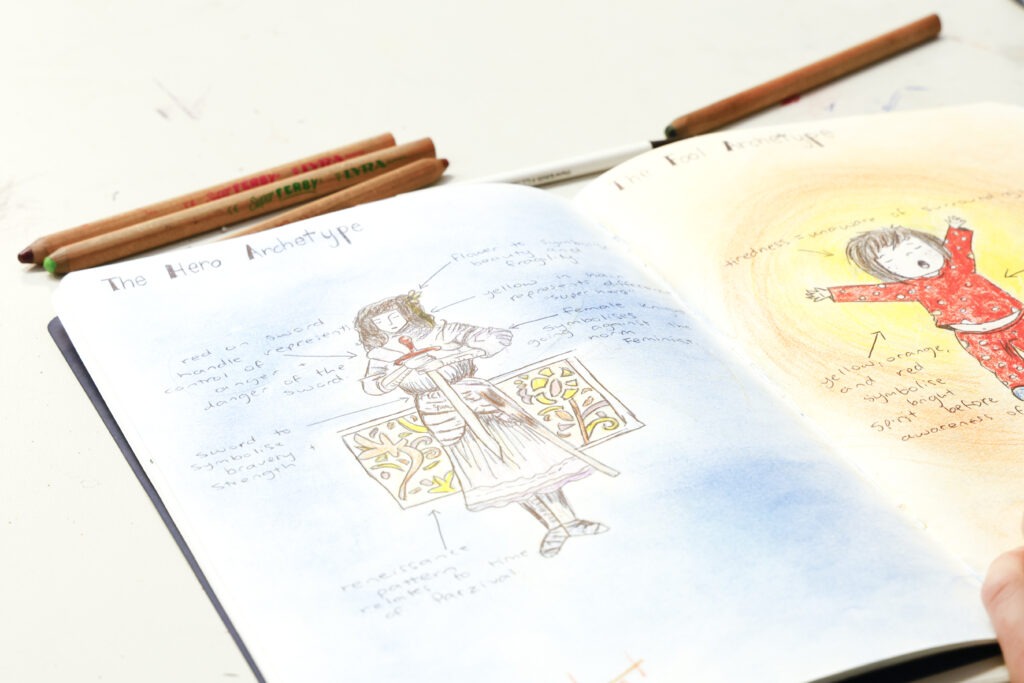
In Years 7–8, students are entering a stage marked by questioning, emerging independence and a growing capacity for abstract thinking. Our Stage 4 main lessons are carefully chosen to meet this shift. Arthurian Literature speaks to students’ developing moral awareness and search for ideals, while Chemistry of Fire and Food Chemistry engage their curiosity about transformation and cause and effect. Maths in Nature and Platonic Solids support the transition from concrete experience to abstract thinking through pattern, form and spatial reasoning. Ancient Australia deepens social understanding and connection to place, encouraging respect for culture, history and the living world.
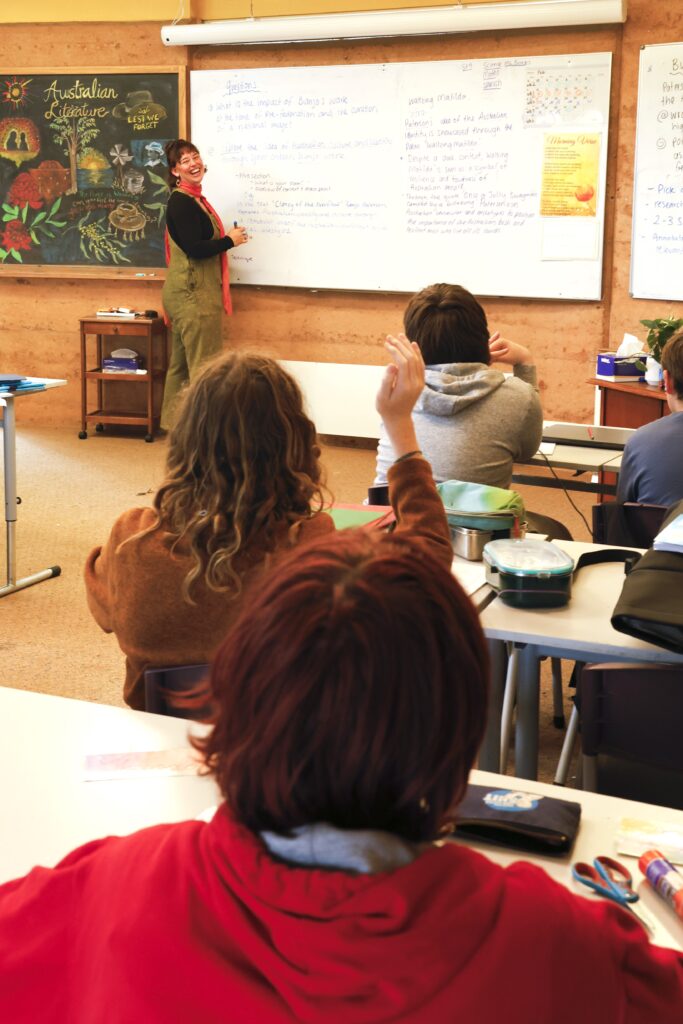
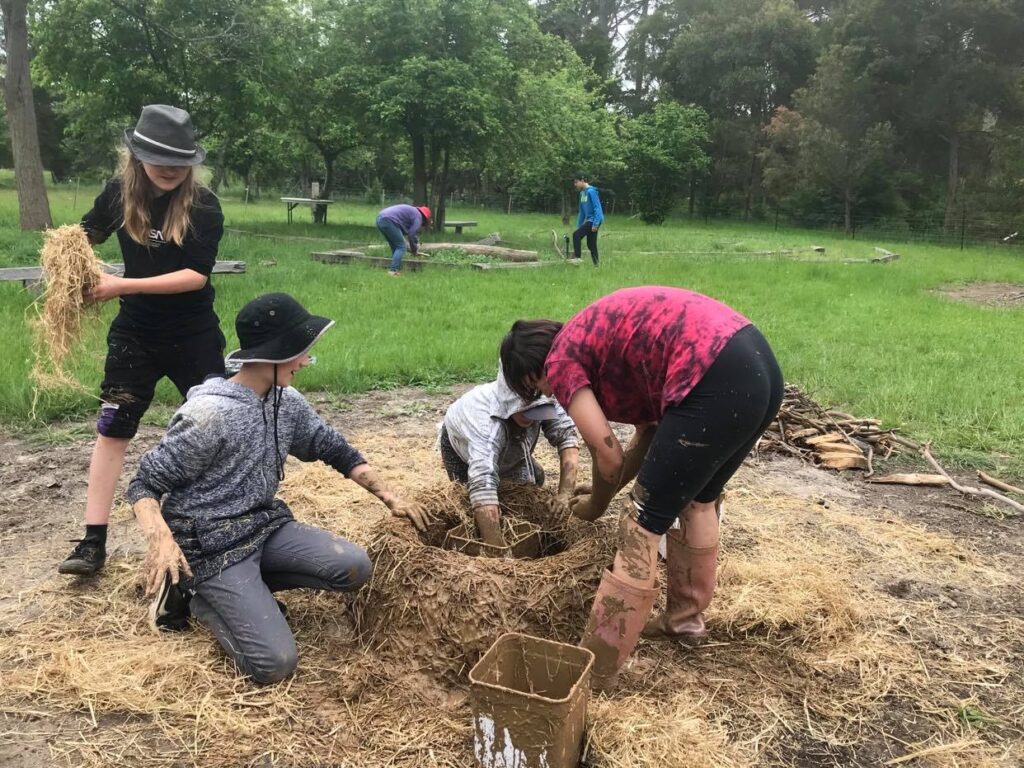
Curriculum Years 9 and 10
At this age, students enter a stage of profound inner transformation. They move from learning by imitation to thinking independently, developing the ability to reason, question and form their own judgments. Emotional depth, moral awareness and a strong sense of self emerge, alongside a growing interest in meaningful friendships and social responsibility. In Steiner education, this period is supported through a balanced curriculum of academic, artistic and practical work, helping students integrate thinking, feeling and willing as they prepare for the challenges and opportunities of later adolescence. The annual class play continues to be a central experience, offering students opportunities for creative collaboration, self-expression and leadership, fostering empathy, confidence and a shared sense of purpose.
Developmentally Aligned Main Lessons
In Years 9–10, students are developing sophisticated abstract thinking, moral reasoning, and the ability to see multiple perspectives. Stage 5 main lessons are carefully chosen to support this transformation. Inner Organs deepens students’ understanding of their own bodies and physical development, while Conic Sections and Pattern and Proof extend logical reasoning and mathematical abstraction. Organic Chemistry explores transformation and cause-and-effect in the material world, complementing scientific thinking. Australian Literature and Art of Poetry engage imagination, self-expression, and ethical reflection, while Power of Wonder cultivates curiosity, awe, and a reflective connection to the world. These lessons integrate intellectual, artistic, and practical learning, helping students develop independent thinking, empathy, and a sense of responsibility as they prepare for the later stages of adolescence.